
Getting Started Menu: Consonants Vowels Syllables Typing Hangeul
자음 모양
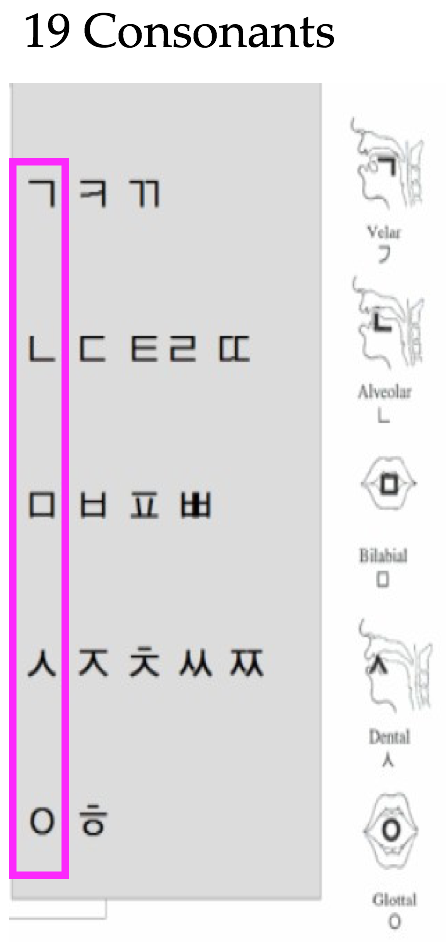 The consonants in Hangeul are written much as they are pronounced. The shape of the letter mimics the shapes you must make using your tongue, lips, palate, throat, and teeth to make the sound.
Sounds can be broken down into five different types:
- Velar—consonants made by stopping or impeding the flow of air by creating a block or a small aperture between the tongue and the velum (“soft palate”). In English, the c in “cap” or the g in “gap” are good examples.
- Alveolar—consonants made by stopping or impeding the flow of air by creating a block or a small aperture between the tongue and the alveolar ridge (just behind your top teeth). In English, the t in “top” or the d in “dot” are good examples.
- Bilabial—consonants made by stopping or impeding the flow of air using the two lips. In English, the b in “bat” or the m in “mail” are good examples.
- Dental—consonants made by restricting the flow of air by catching the tongue between the teeth (interdental) or by stopping the air by pressing the lips against the teeth (labiodental). In English, the th in “this” or “thistle” is a good example of an interdental, while the f in “fine” or the v in “vine” are good examples of labiodentals.
- Glottal—consonants made by restricting or stopping the flow of air in the back of the throat. In English, glottal consonants are transitional (for example, when the tt sound is left out of saying “kitten”). In Hangeul, the glottal sound ng is made at the back of the throat.
Hangeul consonants are written in shapes that look like the shapes they make in your mouth. For example:
ㄱ (kiyoek) makes a /g/ sound (as in “grill”) by pressing the back of the tongue to the top of the mouth.
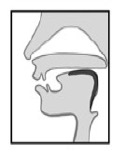
ㄴ (nieun) makes a /n/ sound (as in “nail”) by pressing the tongue to the alveolar ridge behind your top teeth.
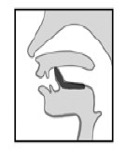
As you practice sounding out your Hangeul consonants, watch the way your mouth forms not just the sounds of the letters, but the shapes of them, too.
